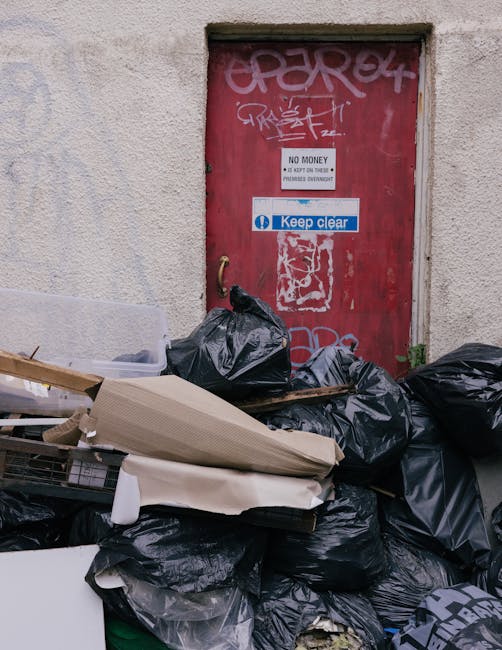
Avoid hidden rubbish clearance costs in Thamesmead SE28
If you have ever booked a rubbish clearance and then felt that sinking moment when the final bill arrived, you are not alone. The real problem is rarely the rubbish itself; it is the fine print, the assumptions, and the little extras that appear after the van has already pulled up outside. This guide explains how to avoid hidden rubbish clearance costs in Thamesmead SE28, what to ask before you book, and how to spot a quote that looks cheap but is likely to grow legs later.
Thamesmead households, landlords, flat owners, and local businesses often need clearance at short notice: a loft that has become a storage cave, a post-move flat full of leftovers, or a garden full of wet bags and broken odds and ends after a weekend clear-out. The aim here is simple. By the end, you should know how pricing usually works, where surprise charges tend to hide, and how to compare options with a clear head rather than guesswork.
Why hidden rubbish clearance costs matter
Hidden costs are not just annoying. They can change the whole decision. A clearance job that looked affordable at first can end up costing far more once access issues, extra labour, heavy items, or special disposal needs are added. That is especially frustrating when you are already dealing with a messy room, a deadline, or the emotional weight of clearing a family property. Let's face it, nobody wants to argue over a invoice when the hallway is still full of furniture.
In Thamesmead SE28, the practical risk is often layout rather than distance. Flats, maisonettes, shared entrances, lift restrictions, limited parking, and stair-only access can all affect the final price. A quote may look fine online, but if the provider did not ask the right questions, the final figure can jump. That is why a proper rubbish clearance quote should feel more like a conversation than a trap.
There is another reason this matters: clarity builds trust. If a company is transparent about what is included, you can make a clean comparison between providers. If they are vague, you are really comparing hopes, not prices. And hopes are not a plan.
How hidden rubbish clearance pricing usually works
Most clearance companies price jobs using a mix of volume, labour, item type, access, and disposal route. That sounds technical, but the idea is straightforward. Bigger loads take more time and space. Heavy loads need more effort. Some items are awkward or regulated. And anything that needs special handling can change the cost.
Here is the basic flow you will usually see:
- You describe the waste, the location, and the access.
- The provider estimates the load size or sends photos.
- A quote is given, either as a fixed price or a banded estimate.
- On the day, the team confirms the load and checks for anything unexpected.
- If the job matches the description, the price should stay as agreed.
The trouble starts when the description is incomplete. Maybe the loft had a few boxes mentioned on the phone, but in reality it also contains old wardrobes, broken shelving, and a mattress wedged behind a beam. Maybe the front garden looked clear in the picture, but there was a second pile round the side. Small surprises add up quickly.
Good providers reduce this risk by asking targeted questions. They may want photos, item counts, floor level, parking details, and whether anything is unusually heavy or hazardous. That is a good sign. It means they are trying to price accurately, not just lowball the job to win the booking.
For people comparing services, it helps to understand the difference between clearance and disposal. Clearance is the collection, loading, and removal of the waste. Disposal is what happens after collection. If a quote includes recycling, sorting, or specialist processing, that can affect the price, but it should be explained clearly up front.
If you want to see how a provider explains its approach to pricing, their pricing and quotes information is the kind of page worth checking before you commit. For wider household jobs, their home clearance service and house clearance service can also help you judge what a more complete service looks like.
Key benefits and practical advantages
Getting pricing right is not only about saving money. It changes the whole experience. When the quote is clear, you can plan the day properly, avoid last-minute stress, and know what will happen if the team discovers something unexpected.
- Better budgeting: you can compare quotes properly, without trying to decode vague wording.
- Fewer disputes: a clear scope reduces awkward conversations on the doorstep.
- Faster jobs: when the provider knows what to expect, the collection usually runs more smoothly.
- Less disruption: you can book the right crew, vehicle, and time slot from the start.
- Safer handling: heavy or awkward items can be planned for, rather than improvised.
There is also a practical peace-of-mind benefit that is easy to overlook. Once the price is agreed properly, you can stop thinking about it. That alone can feel like a relief when you are clearing a property that has become a bit overwhelming. One less thing to worry about. Very underrated, that.
For jobs involving larger or mixed waste streams, a service such as waste removal may be more suitable than a narrow collection for one type of item. And if your clearance includes old furniture, it can help to understand the distinction between furniture clearance and furniture disposal so you know whether collection, dismantling, and final handling are all included.
Who this is for and when it makes sense
This topic matters to anyone who wants to clear rubbish without paying over the odds. That includes homeowners, tenants, landlords, letting agents, shop owners, office managers, builders, and people clearing a relative's home after a move or bereavement.
It is especially relevant if:
- you are comparing two or more quotes and one looks too low to trust;
- you have access challenges such as stairs, no lift, or awkward parking;
- you need to dispose of mixed items, not just bagged rubbish;
- you are dealing with bulky items such as a sofa, mattress, fridge, or wardrobe;
- you are working to a deadline, for example before a tenancy handover;
- you want a straightforward collection rather than hiring a skip.
For local flats, the calculation can be a bit more delicate. A small one-bedroom flat can still produce a surprisingly large clearance if there are cupboards, white goods, old furniture, and a few years of storage hiding in the corners. If you have a flat rather than a house, a dedicated flat clearance service may be the better fit because the access and time planning can be tailored to that setup.
Businesses also benefit from thinking carefully about costs, because service interruptions are expensive in their own way. An office that needs clearing outside trading hours, or a business that needs regular collections, should ask for written detail. Their business waste removal page is useful context if you are planning a commercial booking.
Step-by-step guidance
If you want to avoid nasty surprises, treat the booking like a small project. Not a big one. Just enough structure to stop guesswork creeping in.
1. Make a complete list of what needs going
Walk through the property and list every item or pile. Include obvious things, but also the awkward bits people tend to forget: broken blinds, under-bed clutter, old printer boxes, damp bags in the shed, and the small pile of "I'll deal with that later" stuff by the door. Later has a habit of turning into ten years, somehow.
2. Separate standard waste from special items
Not everything is handled the same way. A pile of cardboard, clothing, and general junk is different from a fridge, mattress, paint tins, or anything that may be classed as hazardous. If you are unsure, ask before booking. A good provider would rather know early than discover it on collection day.
3. Check access honestly
Be precise about stairs, lifts, parking, narrow hallways, basement levels, and distance from the vehicle to the entrance. A few extra metres of carrying can matter more than people expect. It is not dramatic; it is just labour. But labour costs money.
4. Ask what is included in the quote
Do not stop at the headline figure. Ask whether the price includes labour, loading, VAT if applicable, congestion or parking considerations, dismantling, disposal fees, and any minimum charge. If the answer sounds slippery, that is a clue.
5. Ask what could trigger an extra charge
This is the key question. Good examples are items added at the last minute, waste that was not mentioned, difficult access, or heavy objects that need two people. If the provider cannot explain the triggers clearly, you are not looking at a properly transparent quote.
6. Confirm the booking in writing
Even a simple email confirmation is better than memory. The agreed date, the items, the price basis, and any known limitations should all be there. A minute spent now can save a thirty-minute phone call later.
7. Prepare the waste before collection
Keep items accessible, separate any things you want to keep, and make sure the team can work efficiently. If you have mixed materials, place them in distinct piles. This can reduce loading time and helps avoid accidental removal of items you wanted to keep. It happens more often than people think.
Expert tips for better results
Small details make a big difference. In our experience, the cheapest-looking quote is not always the cheapest job. The most reliable one often turns out better value because it is honest about the work involved.
- Send clear photos: wide shots plus close-ups of anything unusual help the provider size up the job properly.
- Be specific about quantities: "three wardrobes, one sofa, eight bags, and two broken shelves" is better than "a bit of furniture."
- Ask about dismantling: some bulky items need to be taken apart to move safely. That should be covered or explained.
- Don't bury the tricky items: if there is a fridge, paint, plasterboard, or anything that may need extra handling, say so early.
- Keep the booking tidy: last-minute changes can be fine, but they should be agreed before the crew starts lifting.
A sensible provider will usually welcome these details. It saves them from awkward surprises and helps you avoid pricing games. If you are dealing with a particular item type, the site's pages for fridge and appliance removal, mattress and sofa disposal, or builders waste clearance can be a helpful way to understand specialist handling.
One more small point: ask whether the team recycles or sorts items where possible. That does not always reduce the price immediately, but it does show a more considered disposal process. And for many people, that matters.
Common mistakes to avoid
Most hidden-cost headaches come from a handful of avoidable mistakes. The good news is they are easy to fix once you know what to look for.
- Choosing on price alone. A quote that is significantly lower than the others often leaves out something important.
- Giving incomplete item details. If the company does not know about the heavy, awkward, or special items, the quote may be only half honest.
- Ignoring access. This is a big one in Thamesmead flats and maisonettes.
- Assuming everything is included. If you do not ask, you may be assuming wrong.
- Leaving sorting until the crew arrives. That can slow the job and create confusion.
- Not checking special waste rules. Hazardous or regulated materials can be handled differently and may need separate arrangements.
There is also a quieter mistake: not reading the terms. Not the most thrilling use of five minutes, admittedly, but it can reveal minimum charges, cancellation rules, payment terms, and what happens if the job changes. If you want to understand those details properly, the terms and conditions and payment and security pages are exactly the kind of pages worth reviewing before booking.
Tools, resources and recommendations
You do not need specialist software to avoid hidden rubbish clearance costs. A phone, a notebook, and a little organisation will do the job. Still, a few practical tools make life easier.
- Room-by-room checklist: helps you capture everything before you request quotes.
- Phone photos or short video: useful for showing volume and access.
- Simple measurement notes: especially useful for wardrobes, beds, appliances, and large office items.
- Parking and access notes: write down gate codes, entrance details, and whether a van can stop nearby.
- Sorting bags or labels: useful if you want to separate keep, donate, recycle, and remove piles.
For people unsure what can go where, the page on what can go in a skip can be a handy reference point even if you are not hiring a skip. It helps you think about what is ordinary waste and what may need extra attention. Likewise, if recycling is a priority, the recycling and sustainability page is useful background.
If your clearance includes confidential papers, office files, or personal records, it is worth considering a dedicated approach rather than mixing everything in one bag. The confidential shredding service can be relevant in those situations, especially for businesses or landlords handling sensitive documents. A messy clear-out is one thing; a data mistake is another.
Law, compliance, standards and best practice
For rubbish clearance, compliance mostly means using a provider that handles waste responsibly and understands the basics of UK waste obligations. You do not need to become an expert yourself, but you should expect the company to be careful about collection, transfer, and disposal.
In plain English, best practice usually means:
- the provider is transparent about pricing and what is included;
- different waste types are handled appropriately;
- potentially hazardous items are not mixed in casually with general waste;
- the team takes reasonable care over health and safety;
- disposal is managed through proper channels, not dumped somewhere convenient and illegal.
That last part matters more than people like to think. A cheap quote is not cheap if it turns into a compliance headache later. If you are clearing business premises, be especially careful about duty-of-care expectations and documentation. For a broader sense of operational standards, the pages on health and safety policy, insurance and safety, and hazardous waste disposal are the kinds of references that signal a more careful approach.
Insurance matters too. If someone is carrying heavy items through tight hallways or communal areas, you want reassurance that the provider takes care of people and property. No one wants scuffed walls, broken lifts, or a mysterious dent in the bannister on top of everything else.
Options, methods, or comparison table
When people want rubbish cleared in Thamesmead SE28, they usually compare three approaches: a flat-clearance style service, a broader waste-removal collection, or a skip. Each has its place. The best option depends on the waste type, access, timing, and how much help you want with loading.
| Option | Best for | What to watch for | Typical pricing risk |
|---|---|---|---|
| Man-and-van style clearance | Mixed household waste, furniture, awkward items, quick removal | Access, labour time, item count, exclusions | Hidden labour or heavy-item charges |
| Skip hire | Projects with predictable waste and enough space outside | Permits, space, loading limits, what can go in | Permit fees, overfilling, restricted items |
| Specialist disposal | Appliances, mattresses, hazardous or unusual waste | Handling rules, separate collection, documentation | Special disposal surcharges |
To be fair, no option is perfect for every job. A skip can make sense for a renovation, but it is not ideal if you live in a flat with poor outside space. A van-based clearance can be quicker and more convenient, but only if the quote properly accounts for access and loading time. That is the bit people miss.
If you are still weighing up how much you can handle yourself, a glance at loft clearance, garage clearance, and garden clearance pages can help you match the method to the space, because the same quote logic does not suit every room or pile.
Case study or real-world example
A typical Thamesmead scenario goes like this. A resident in a SE28 flat needs a mix of old bedside cabinets, a broken chest of drawers, several bags of clothes, and a mattress removed before a tenancy changeover. The first quote sounds attractive because it is quick and low. But the provider has not asked about stairs, parking, or whether the mattress needs to be carried through a shared corridor.
The resident then sends photos, confirms there is no lift, mentions that the loading bay is not right outside the block, and notes that the mattress is heavy and awkward. The quote changes, but now it reflects the actual job. In the end, the price is higher than the first number, yet the customer avoids the bigger headache: a surprise on arrival. That is the better outcome, even if it feels slightly less exciting at the start.
A second example: a small office on a local high street needs old desks, monitors, archive boxes, and a couple of bulky chairs removed after refurbishing. The team is tempted to book the cheapest collection available, but then realises that document handling, access, and office hours matter. In that case, a service aligned with office clearance is more likely to give a clear scope and avoid add-ons tied to timing or item type.
The pattern is the same in both cases. The better quote is not always the lowest quote. It is the one that survives contact with reality.
Practical checklist
Use this quick checklist before you book.
- Have I listed every item or waste pile clearly?
- Have I included heavy, bulky, or awkward items?
- Have I explained access, stairs, lift use, and parking?
- Have I asked whether labour, loading, and disposal are included?
- Have I checked what counts as an extra charge?
- Have I separated standard waste from special items?
- Have I confirmed the booking in writing?
- Have I reviewed the terms, payment details, and any cancellation rules?
- Have I checked whether recycling, dismantling, or specialist handling is needed?
- Have I kept anything I want to retain well away from the collection area?
Expert summary: the easiest way to avoid hidden rubbish clearance costs in Thamesmead SE28 is to give an accurate description, ask direct questions, and insist on a quote that clearly states what is included. If a provider is transparent before booking, they are much less likely to surprise you after the work begins.
Conclusion
Hidden rubbish clearance costs usually come from vague descriptions, unclear access, and quotes that leave too much unsaid. Once you know what to look for, the process becomes far calmer. You can compare properly, book with confidence, and avoid that awkward moment where the price suddenly changes because the job was never described properly in the first place.
In Thamesmead SE28, the smartest approach is simple: be detailed, be honest, and get everything confirmed before collection day. That protects your budget, saves time, and makes the whole clear-out feel much more manageable. And honestly, when a property is already full of dust, boxes, and a bit of old furniture smell, a smooth booking feels like a small victory.
Get a free quote today and see how much you can save.
Frequently Asked Questions
What are hidden rubbish clearance costs?
They are extra charges that are not obvious at the point of booking, such as added labour, difficult access, heavy-item handling, or special disposal needs.
How can I avoid surprise fees for rubbish clearance in Thamesmead SE28?
Give a full description of the waste, share photos, explain access clearly, and ask exactly what the quote includes before you confirm.
Is the cheapest rubbish clearance quote usually the best value?
Not always. A very low quote can leave out labour, access issues, disposal fees, or special items. The best value is usually the clearest quote.
Do flats in Thamesmead often cost more to clear?
They can, depending on stairs, lift access, parking, and the distance from the van to the property. The layout matters more than people expect.
Should I mention appliances or mattresses before booking?
Yes. Fridges, mattresses, sofas, and similar bulky items may need different handling, so they should be included in the first description.
What if I only know roughly how much rubbish I have?
That is fine, but use photos and a rough item list. A good provider can usually estimate more accurately when they can see the load.
Are recycling and disposal included in the quoted price?
They should be explained clearly. Some quotes include everything, while others separate collection from disposal or special processing.
Can I get charged more on the day?
Sometimes, if the job is different from the description you gave. That is why written confirmation and honest details are so important.
What should I do with hazardous or unusual items?
Tell the provider early and do not mix them with general rubbish. Hazardous items often need separate handling or a different service path.
Is it better to use a skip or a clearance service?
It depends on access, waste type, and how much loading help you need. If you want everything removed for you, a clearance service is often more convenient.
How do I know if a company is being transparent?
They should answer pricing questions clearly, explain exclusions, and confirm the scope in writing. If the answers feel vague, keep looking.
Can I reduce the cost by sorting the rubbish first?
Often, yes. Separating items, keeping access clear, and removing anything you want to keep can make the job quicker and smoother.
What kind of jobs are usually best for specialist clearance pages?
Jobs involving furniture, fridges, lofts, gardens, offices, or builders' waste often benefit from a more specific service page because the pricing and handling needs are clearer.